
Early Detection and Monitoring
Long-term monitoring with Frontier after therapy provides early warning of tumour activity with routine quantitative check ups
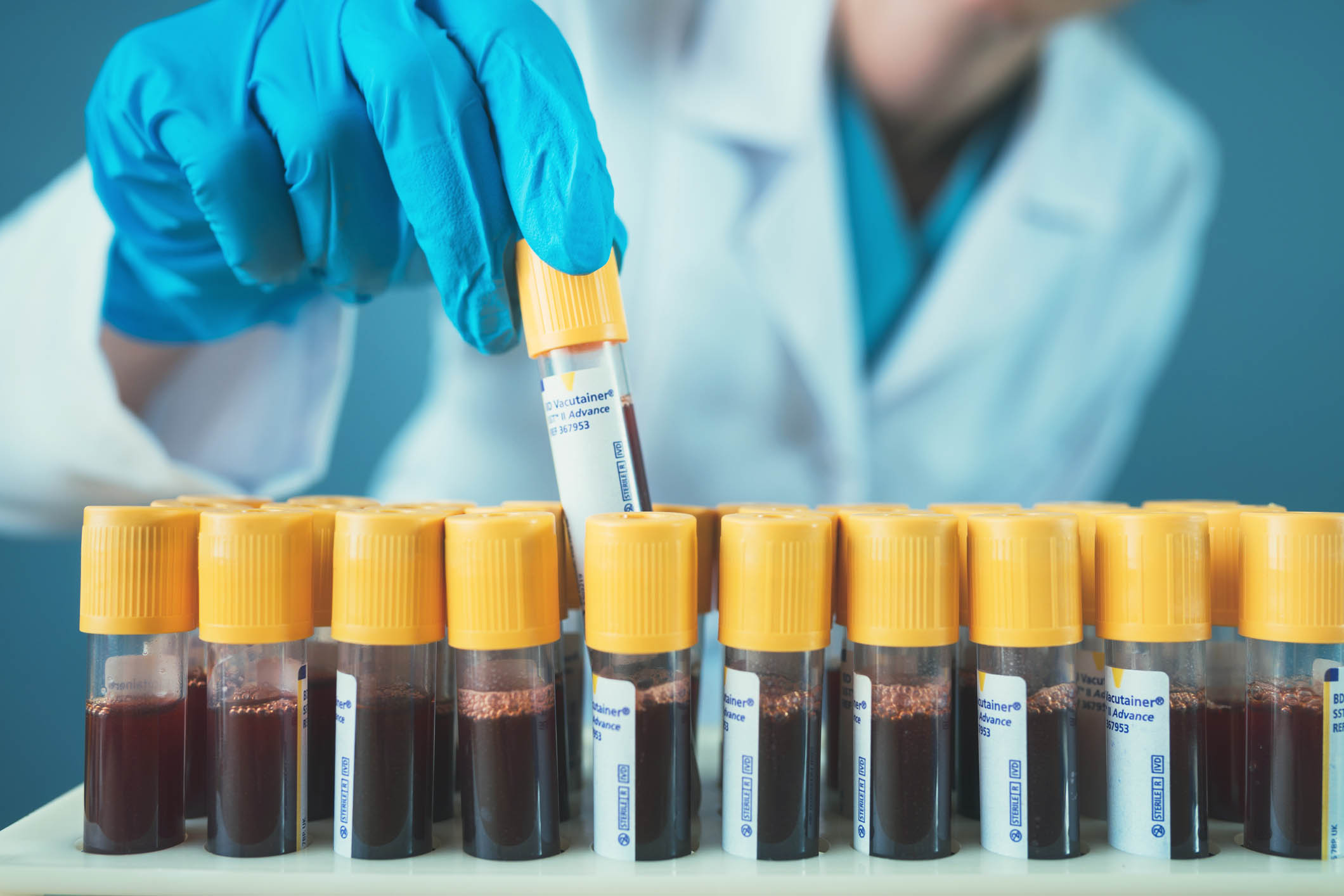

Monitoring After Remission
Upon completion of treatment and successful prevention of cancer recurrence, a phase called “remission” is reached. However, there is always a possibility that the malignant disease may return, giving rise to new tumours in the body (relapse).
Tumour cells can persist within the body’s tissues for many years and can trigger the formation of new tumours at any time.
To ensure timely relapse detection, cancer patients must undergo regular follow-up examinations and checks. Traditional methods, such as X-rays, often require the tumour to reach a size of at least 0.5 cm3 for detection. Additionally, these methods focus on where the original tumour was located, potentially overlooking metastases that develop in distant organs.
The cell count offers several advantages in this context. By monitoring the circulating tumour cells (CETC/CTC) in the blood, we detect new tumour activity and an increase in cell count. A rising cell count indicates heightened tumour activity and the potential growth of a new tumour.
Why use us?
The team in the maintrac® laboratory has many years of experience in research and medical studies with numerous scientific publications. The experience is based on more than eighty thousand clinical measurements, which enables detection of new cancer growth by tracking changes in cell count over time.
It is recommended that patients undergo long-term monitoring after completing therapy. This allows for the analysis of circulating tumour cells, providing an early warning if tumour activity resumes and helping to monitor long-term treatment success.
Patients can benefit from timely detection and intervention in case of tumour recurrence, improving overall outcomes and treatment effectiveness.
Book a Free 10-Minute Consultation Today
Speak to one of our team for more information or ask any questions you may have